
 ~6m12:42
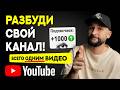
На твой YouTube канал НИКТО не подписывается? СДЕЛАЙ ЭТО.
Nov 26, 2026
Read: ~6m · You save: 7 min
How to Get Thousands of YouTube Subscribers: A Channel Growth System
How to get thousands of YouTube subscribers without millions of views: 90-second rule, reasoned call to action, loop system and community posts.
Rapid growth of a YouTube channel doesn't require millions of views or hundreds of published videos. A working system and one successful video are enough. Yuri Volgin has been working on YouTube monetization since 2014.
The channel "Kontekstika" approached the author for mentorship. Together they produced one video, which brought 700 subscribers and 600,000 views. Before the collaboration, the channel had a views problem. The first task for any channel is to find a source of views.
Cautious and Predatory Videos
Most videos by novice creators are mediocre. The reason lies in two extremes: some follow rules they picked up from YouTube "gurus," while others ignore all rules.
The key question is whether the creator plays too cautiously on YouTube. The author calls cautious videos "herbivorous." Such videos don't stand out in any way.
Example. The author of the channel "Kontekstika" wanted to make a video about the economies of the Czech Republic and Turkey through the lens of alcohol consumption per capita. The author called this approach boring and proposed a "predatory" version with the hook "The Heaviest-Drinking Country." The herbivorous video gathers several hundred views and brings in about half a subscriber per 100 views. The predatory video can gather about 700,000 views and 700 subscribers.
Caution is often linked to fear: of judgment, of being misunderstood, of offending the audience, or of a topic that is too harsh. The author believes this approach reduces the result.
The number of subscribers per 1,000 views depends on the niche. In the example with the channel's video, 700 subscribers brought 100,000 views.
Subscriber Acquisition System
The system consists of three parts: value, a call to action with a reason, and a viewing loop.
1. Ban on Calls to Action in the First 90 Seconds
Do not ask viewers to subscribe in the first 90 seconds of a video. During that time, the viewer has received no value from either the video or the channel.
A viewer who doesn't understand the channel's value may subscribe and leave after 10 seconds. The subscriber stays on the list, while recommendations keep showing them videos that don't suit them. As a result, an inactive subscriber appears, and YouTube Studio displays a notice: subscribers are reacting less actively to the videos.
2. Call to Action After Delivering Value
The call to subscribe is made after the viewer has received value.
Mechanics:
- The thumbnail and title promise the viewer a specific result: learning, entertainment, or motivation.
- The intro confirms the viewer's expectations.
- The main content delivers the promised value.
- At the moment the value is received, one second before or right after it, the viewer is invited to subscribe.
A single call is not enough. Links to a Telegram channel in the description, a pinned comment, or a profile banner are almost never noticed without an active call to action from the creator. If the creator doesn't say that the link exists or doesn't ask the viewer to click "subscribe," the viewer will most likely not respond.
Animated subscribe buttons don't work either. A live request from the creator does.
A request without a reason also works poorly. The call to action must include a reason that matches the video's topic and the audience's interests.
Examples:
- "In the next video I'll continue this topic, subscribe to see it."
- "Every week I post videos about growing YouTube channels, subscribe so you don't miss them."
Example for a gaming channel: the phrase "subscribe so you don't miss my new adventures in GTA 6" works. The phrase "subscribe if you want more videos about GTA 6" does not work if the next video is about cryptocurrency or affiliate links. The reason must match the content of the upcoming videos.
Scheme: after delivering value, the viewer receives an explicit call to subscribe with a specific reason. The call works for both successful and unsuccessful videos.
The Rule of Seven Touches
The rule of seven touches is a well-known marketing tool. A potential customer must see a brand's message seven times before making a decision.
The logic for YouTube: the more of a channel's videos a single viewer sees, the higher the likelihood that they will become a subscriber. The goal is to increase the number of videos that one viewer watches on the channel.
YouTube Studio has a metric called "average views per viewer." For the creator, it equals 1.8, meaning they lead at least one viewer to the channel's next video.
Loop System
The loop system means linking to the next video at the end of a video. The author has been using it for a long time and has applied it thousands of times over the last three years. Authors who seek consulting or coaching do not use the loop system. Usually they end videos with the phrase: "Like, subscribe, and comment."
An effective ending is tied to the video's content. For example: "Now that you know everything about the theory of neural networks, watch my video where I explain how to make money with neural networks."
Technical implementation:
- Open the video settings in YouTube Studio.
- Select end screens.
- Set the exact time the phrase appears.
- Insert the link to the desired video.
Additional technique: instead of inserting a single video into the end screen, insert a playlist of the channel's videos. The playlist starts automatically after the previous video finishes. This positively affects the number of channel views per user. One of the author's playlists brought in subscribers over the last 28 days. All of these subscribers came through the playlist, even though it was not placed in the end screens.
Final Scheme
- Create a high-retention video that delivers value to the viewer.
- After delivering the value, make an explicit call to subscribe with a specific reason.
- At the end of the video, suggest moving on to the next video, and add an end screen and a playlist.
- The loop closes: views, subscribers, and the signal for the YouTube algorithm grow, which leads to growth of the channel as a whole.
Loop Limit and the Role of Community Posts
The system has a weak spot: the loop is not infinite. Even if a viewer watches two videos from a channel, the chance that they won't subscribe or come back is high. Many creators publish videos irregularly, with long gaps between uploads. The viewer stops seeing the channel and forgets about it.
The solution: a reminder tool, namely community posts. They keep the channel in the audience's view even when no new videos are coming out. The YouTube "rule of seven touches" works not only through videos but also through posts.
The author's experiment: for several months, the author occasionally published community posts. As a result, the channel gained 1.7 million impressions and nearly 600 subscribers. The result came solely from posts with images and carousels. The author stopped publishing in August, so the result could have been higher.
Conclusion
A channel doesn't need to publish many videos to grow. It's enough to create engaging videos and build a working system around them: value, a call to action with a reason, a viewing loop, and regular reminders through community posts.
Introduction and Initial Situation
The author introduces himself and his experience, showing that a single successful video can bring many subscribers.
- Author: Yuri Volgin, has been earning on YouTube since 2014.
- Together with the channel "Kontekstika", he made a video that brought 700 subscribers and 600,000 views.
- Growth does not require millions of views or hundreds of videos; a working system and one successful video are enough.
- Before mentoring, the channel had a views problem, which the author addressed first and foremost.
Predator and Herbivore Videos
Videos come in two types: «herbivores» (safe and boring) and «predators» (eye-catching, with a strong hook). Predator videos attract more views and subscribers.
- Beginners most often make mediocre videos because they follow other people's rules or ignore them.
- Example: the creator of the channel «Kontekstika» wanted to make a dull video about the economies of Czechia and Turkey through alcohol consumption per capita.
- The author proposed a predator format with the hook «The Drunkest Country».
- Fear of condemnation, misunderstanding, or the topic being seen as «vulgar» makes channels overly cautious.
- A hundred views can bring in half a subscriber, so publishing hundreds of rarely watched videos is ineffective.
- Example of a predator video: «This country is the world leader in beer consumption among its population. Every fourth man aged 35–44 here…».
- The number of subscribers per 1,000 views depends on the niche: 700 subscribers were gained from 100,000 views.
The First 90 Seconds Rule
First rule: don't ask for a subscription in the first 90 seconds, because the viewer hasn't received any value yet.
- First rule: never ask for a subscription in the first 90 seconds of a video.
- In 90 seconds, the viewer gets no value from either the video or the channel.
- A viewer who subscribes without having received value may close the video after 10 seconds, and the channel will remain in their subscription list.
- Such inactive subscribers lower the audience responsiveness metric in YouTube Studio.
- The subscription should be requested after the video's value has been delivered to the viewer.
How to Properly Ask for a Subscription
How it works: the viewer comes for an expected result, receives it, and at that moment you need to directly ask them to subscribe, giving a reason.
- A viewer clicks on a video because of a thumbnail and title that promise education, entertainment, or motivation.
- In the intro, the viewer's expectations are confirmed, then the main content follows.
- The subscribe call is made at the moment the value is delivered, or right before or after it.
- Links in the description, a pinned comment, or a profile banner without a direct call are almost invisible.
- Animations with a subscribe button and sound don't work; a live request from the creator does.
- The request "Subscribe, it will help the channel" works poorly.
- The call should include a reason that matches the video's topic and the viewers' interests.
- Example: for a gaming channel, "subscribe so you don't miss my GTA 6 adventures" works.
- Example of a bad call: "subscribe if you want more videos about GTA 6" after a video about making money from the GTA 6 hype, since the video will then move on to cryptocurrency or affiliate links.
Rule of Seven and Average Number of Views
Rule of seven touches: the more of a channel's videos a single viewer sees, the higher the probability of a subscription.
- Rule of seven in marketing: a customer must see a brand's message seven times before making a decision.
- The author's task: increase the number of the channel's videos that a single viewer watches.
- YouTube Studio has a metric called "average views per viewer".
- For the author this figure equals 1.8, meaning they bring at least one viewer to the next video.
Loop System
Loop system: at the end of a video, direct viewers to the next video using end screens and playlists.
- The loop system is an old tool that the author has talked about thousands of times, but most YouTube bloggers don't use it.
- A typical mistake is saying at the end of a video: "Like, subscribe, and leave a comment."
- Instead, say a specific phrase that leads to a relevant video, for example: "Now that you know everything about neural network theory, watch my video on how to earn money from them."
- To do this, choose end screens in the video settings, set the exact time for the phrase, and insert the needed video.
- You can insert a playlist of the channel's videos instead of a single video; it starts automatically after the previous one ends.
- A playlist increases the number of views per user.
- Author's example: one playlist brought in subscribers over 28 days, even though it was not added to the end screens.
Community Posts as a Retention Tool
Community posts keep the audience's attention between video releases and also work by the rule of seven.
- The loop problem: a viewer does not come back if a lot of time passes between publications.
- The solution: use community posts as a reminder to stay in the audience's field of view.
- The rule of seven works not only on videos but also on posts.
- The author's experiment: several months of publishing posts with images and carousels brought 1.7 million impressions and almost 600 subscribers.
- The author stopped publishing posts in August, so the result could have been better.
Final Growth System
Final scheme: a hook video that delivers value, a subscribe call with a specific reason, a transition to the next video, and community posts to keep the audience engaged over time.
- Step 1: Make an attention-grabbing hook video and deliver value to the viewer within it.
- Step 2: Make a clear call to subscribe with a specific reason right after delivering value.
- Step 3: At the end of the video, invite viewers to watch the next video, and add an end screen and a playlist.
- Step 4: Use community posts to remind people about the channel between video releases.
- Result: more views and subscribers, who grow like a snowball, and a signal to the YouTube algorithm to grow the channel.